Point of Change (Rebecca Coley, 2023): UK, Australia, US, Indonesia
Reviewed by Logan Surber. Viewed at the Santa Barbara International Film Festival 2024.
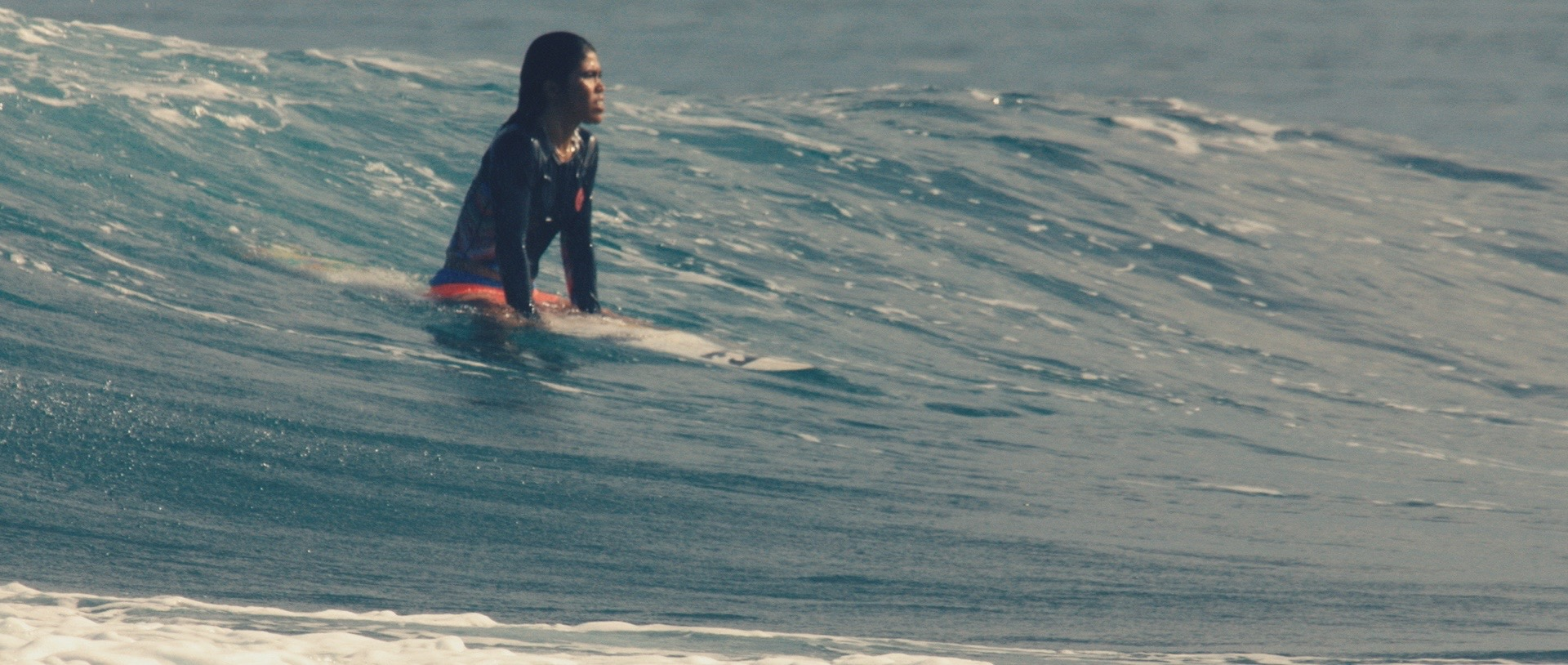 Point of Change is an enticing visual escapade on the story of surf culture surrounding Nias Island in Indonesia. Directed by Rebecca Coley, this documentary has a very dense story of the history of how Nias became the tourist surf town that it is today and how it was ravaged by its tourism and outsider culture. The narrative is able to weave the original history up to the modern-day legends that came from Nias is a beautiful and depressing story that shows the need for the preservation of both land and culture.
The first section goes over the history of how Nias was discovered by surf explorers Kevin Lovett and John Giesel which grounds the film in the history of the Indigenous people with Super 8 footage supplied by Kevin along with animations to make the slower pacing more interesting. Although the pacing was slower with some sections that could have been cut out, it gave an in-depth look at what it was like exploring the island and being
Solitude (Ninna Pálmadóttir, 2023): Iceland | Slovakia
Reviewed by Elyssa Crutchfield. Viewed at the Santa Barbara International Film Festival 2024.
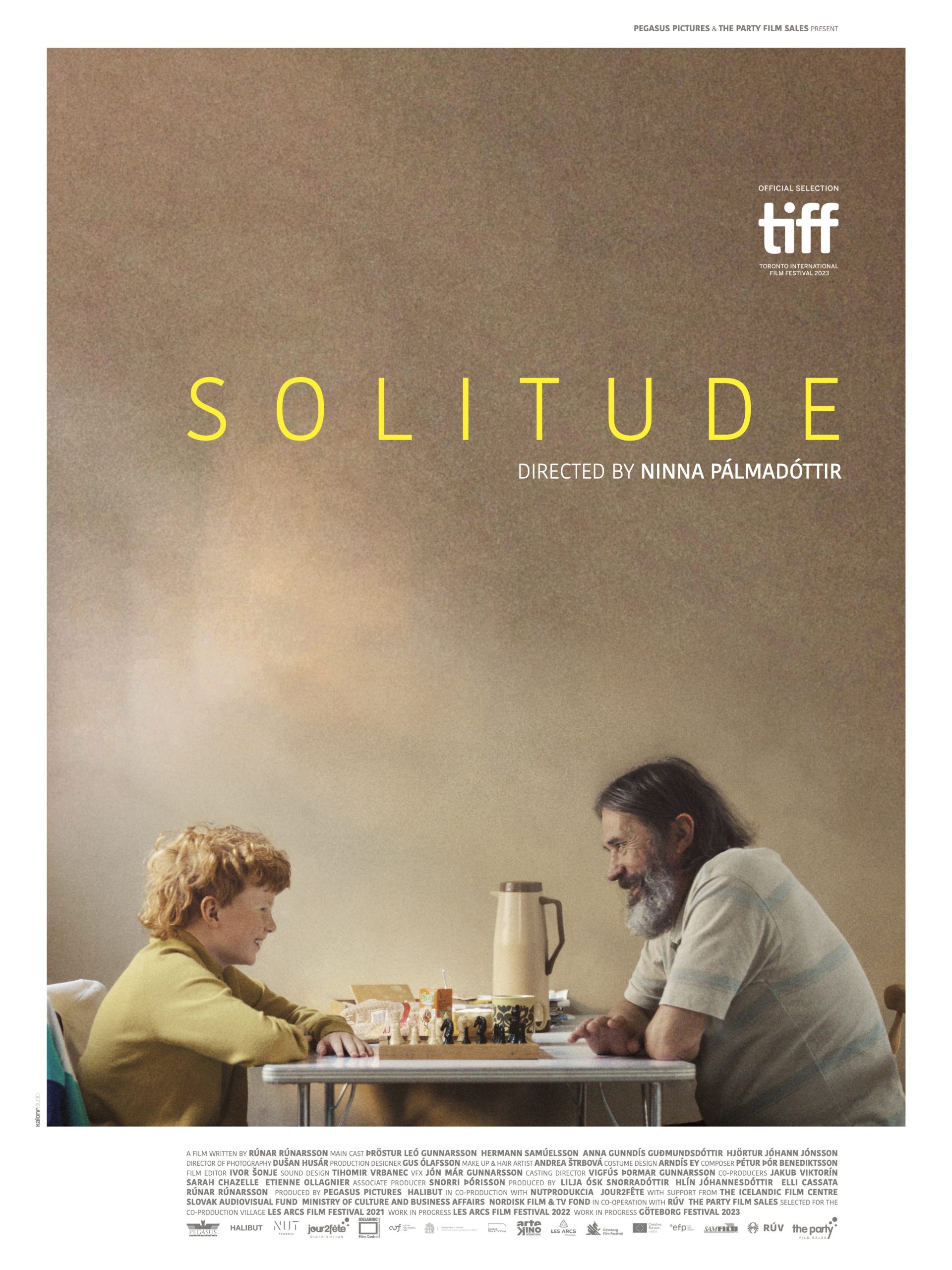 Everybody has to find their place in the world, but who says there’s any “right” time to do so? The unusual story of friendship across generations, Solitude (2023), is an Icelandic, French, and Slovakian-produced film directed by Ninna Pálmadóttir. Rúnar Rúnarsson’s screenplay encompassed common themes and characters explored by Pálmadóttir in the past and instantly caught her attention when she read it. Paperboy, the winner of the 2020 Edda Award for best short film, is about a young boy who delivers newspapers, and Old Dogs Die is about a solitary farmer. Pálmadóttir received an MFA in film from NYU Tisch and has worked on numerous productions, but as an Icelandic filmmaker, Solitude apparently resonated with her, allowing her to bring the two characters and their relationship to life.
When Gunnar, who has up until this point lived comfortably alone on his vast farmlands in northern Iceland, inherited from his father and his father before him, is

